
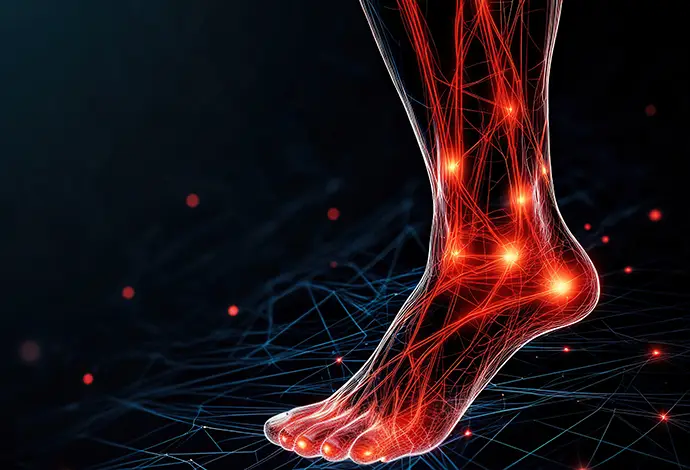
Understanding Peripheral Neuropathy St. Louis MO
Neuropathy can make everyday tasks more challenging by causing burning pain, tingling, numbness, muscle weakness, and other uncomfortable symptoms. When nerves become damaged, simple activities like walking, standing, or maintaining your balance may become increasingly difficult. At Saint Louis Pain Center, we provide personalized, non-surgical care designed to identify the underlying cause of neuropathy while helping patients manage chronic nerve pain through advanced treatment options.
Our experienced providers work closely with every patient to create an individualized treatment plan focused on improving nerve function, reducing discomfort, and helping patients throughout St. Louis, MO and South St. Louis County return to the activities they enjoy.
Don’t let neuropathy continue to interfere with your quality of life. Schedule your consultation with Saint Louis Pain Center today and begin your journey toward lasting relief.
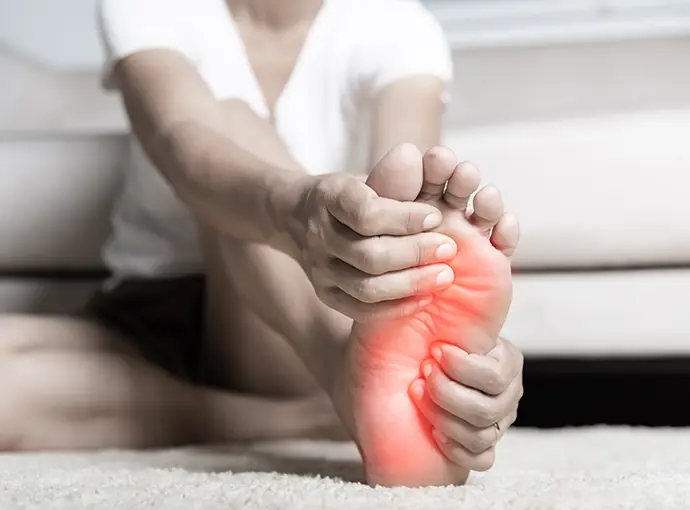
What Is Neuropathy in St. Louis & South St. Louis County?
Neuropathy develops when nerves become damaged or stop functioning properly, interrupting communication between the brain and other parts of the body. This damage may result from underlying medical conditions, injuries, infections, or exposure to certain toxins. Two of the most common forms are peripheral neuropathy and diabetic neuropathy, both of which can lead to persistent pain, numbness, weakness, and reduced mobility.
Although neuropathy can affect different nerves throughout the body, peripheral neuropathy most commonly impacts the hands and feet. Identifying the underlying cause as early as possible is an important step toward developing an effective treatment plan and improving long-term outcomes.
At Saint Louis Pain Center, we focus on identifying the factors contributing to your symptoms so we can create a personalized care plan that supports healthier nerve function and long-term relief through advanced, non-surgical treatment options.
Call 314.846.2100 today to schedule your neuropathy evaluation and learn more about your treatment options.

Common Causes of Neuropathy
Neuropathy can develop from many different underlying conditions. Identifying the source of nerve damage is one of the first steps toward creating an effective treatment plan and helping prevent symptoms from progressing.
Certain autoimmune conditions can cause the immune system to mistakenly attack healthy nerves, resulting in inflammation, nerve damage, and ongoing discomfort.
Diabetes is one of the leading causes of peripheral neuropathy. Over time, elevated blood sugar levels can damage peripheral nerves, especially those affecting the feet and lower legs.
Some bacterial and viral infections may damage nerves directly or trigger inflammation that contributes to neuropathy symptoms.
Both benign and cancerous tumors can place pressure on nearby nerves or interfere with normal nerve function, leading to pain, numbness, or muscle weakness.
Long-term alcohol use may contribute to nutritional deficiencies and nerve damage, increasing the likelihood of developing neuropathy.
Certain medications, chemicals, and environmental toxins have the potential to damage peripheral nerves and contribute to chronic neuropathy symptoms.
Traumatic injuries, repetitive motion, or prolonged nerve compression may interrupt normal nerve communication, resulting in chronic pain, tingling, or numbness.
Our providers perform comprehensive evaluations to identify the factors contributing to your neuropathy and develop a personalized treatment service.
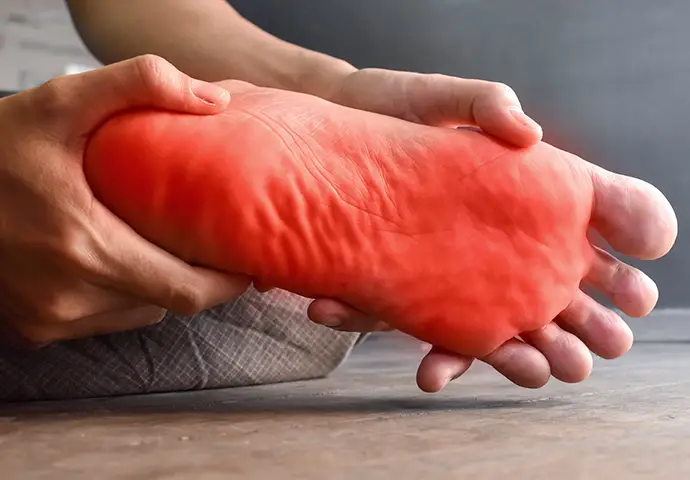
Common Symptoms of Neuropathy
Neuropathy symptoms vary depending on the type of nerve damage and its underlying cause. Some patients experience mild discomfort, while others develop symptoms that significantly affect mobility, independence, and overall quality of life.
Common symptoms that may indicate neuropathy include:
- Numbness, tingling, or “pins and needles” sensations in the hands or feet
- Burning, sharp, or shooting nerve pain
- Increased sensitivity to touch or temperature
- Difficulty with balance and coordination
- Muscle weakness or reduced strength
- Difficulty tolerating heat or temperature changes
- Digestive concerns related to nerve dysfunction
- Sudden drops in blood pressure when standing
- Dizziness or feelings of lightheadedness
If you’re experiencing any of these symptoms, contact Saint Louis Pain Center to determine whether neuropathy may be the underlying cause.
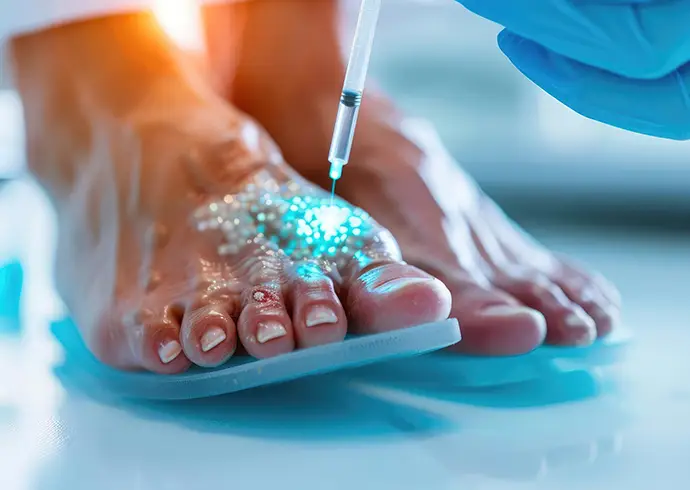
Neuropathy Treatment Options in St. Louis & South St. Louis County
Every patient experiences neuropathy differently, which is why treatment always begins with a comprehensive evaluation. Depending on the underlying cause of your symptoms, your personalized treatment plan may include one or more advanced therapies designed to improve nerve function, reduce pain, and help restore your quality of life.
Our personalized Neuropathy Treatment programs are designed to improve nerve function while helping reduce numbness, tingling, burning sensations, and other symptoms through advanced, non-surgical care.
PRP Therapy uses concentrated platelets from your own blood to support tissue repair and encourage the body’s natural healing process for select conditions contributing to chronic pain.
Regenerative Therapy works with your body’s natural healing response to support tissue repair, reduce inflammation, and improve overall function without invasive surgery.
The Neuromodulation Technique uses gentle electrical stimulation to improve nerve communication while helping reduce chronic nerve pain and support healthier nerve function.
Our providers will develop a personalized treatment service based on your symptoms, diagnosis, and long-term health goals.
When Should You Seek Treatment for Neuropathy?
If numbness, tingling, burning sensations, or muscle weakness are becoming more frequent or beginning to interfere with your daily routine, it’s a good idea to schedule a professional evaluation. Identifying neuropathy early can help determine the underlying cause of your symptoms and create opportunities to begin treatment before nerve damage continues to progress.
At Saint Louis Pain Center, our team provides comprehensive evaluations and personalized treatment plans designed to help patients improve nerve function, reduce chronic discomfort, and enjoy a better quality of life. Every recommendation is tailored to your diagnosis, symptoms, and long-term health goals.
Schedule your consultation today to learn more about your neuropathy treatment options.
Compassionate Neuropathy Care Close to Home
Saint Louis Pain Center proudly cares for patients experiencing neuropathy throughout St. Louis, MO and South St. Louis County, including Mehlville, MO, Sappington, MO, Lemay, MO, Affton, MO, and Arnold, MO. Our experienced providers perform comprehensive evaluations and develop personalized treatment plans designed to improve nerve function, reduce discomfort, and help patients regain their quality of life.
Peripheral Neuropathy FAQs
If you’re experiencing symptoms of neuropathy, you may have questions about what’s causing your discomfort and which treatment options may help improve your quality of life. At Saint Louis Pain Center, we understand that nerve pain, numbness, tingling, and other symptoms can impact your daily activities and overall well-being. Our team is dedicated to helping you better understand your condition, explore available treatments, and create a personalized care plan based on your unique needs.
Here are answers to some of the questions we hear most often from patients considering neuropathy treatment.
Neuropathy can develop from many different causes, including diabetes, autoimmune disorders, infections, injuries, certain medications, nutritional deficiencies, alcohol abuse, and exposure to toxins. A comprehensive evaluation can help identify the underlying cause of your symptoms.
Every patient’s condition is different. While some forms of neuropathy cannot be completely reversed, identifying the underlying cause and beginning appropriate treatment may help improve symptoms, support healthier nerve function, and slow the progression of certain types of nerve damage.
Poorly controlled diabetes, ongoing nerve injuries, nutritional deficiencies, excessive alcohol use, and delaying treatment may contribute to worsening neuropathy symptoms over time. Early evaluation may help reduce the risk of continued nerve damage.
Prolonged sitting does not typically cause neuropathy, but remaining in one position for extended periods may increase pressure on certain nerves and temporarily worsen symptoms for some individuals. Regular movement and following your provider’s recommendations may help improve comfort.
Schedule Your Neuropathy Consultation in St. Louis MO
Living with neuropathy doesn’t have to become your new normal. The experienced providers at Saint Louis Pain Center proudly help patients throughout St. Louis, MO and South St. Louis County explore personalized, non-surgical treatment options designed to reduce nerve pain, improve mobility, and support healthier nerve function.
Complete the contact form to request your neuropathy consultation, or call 314.846.2100 today and let our team help you take the first step toward lasting nerve pain relief.
Request An Appointment